
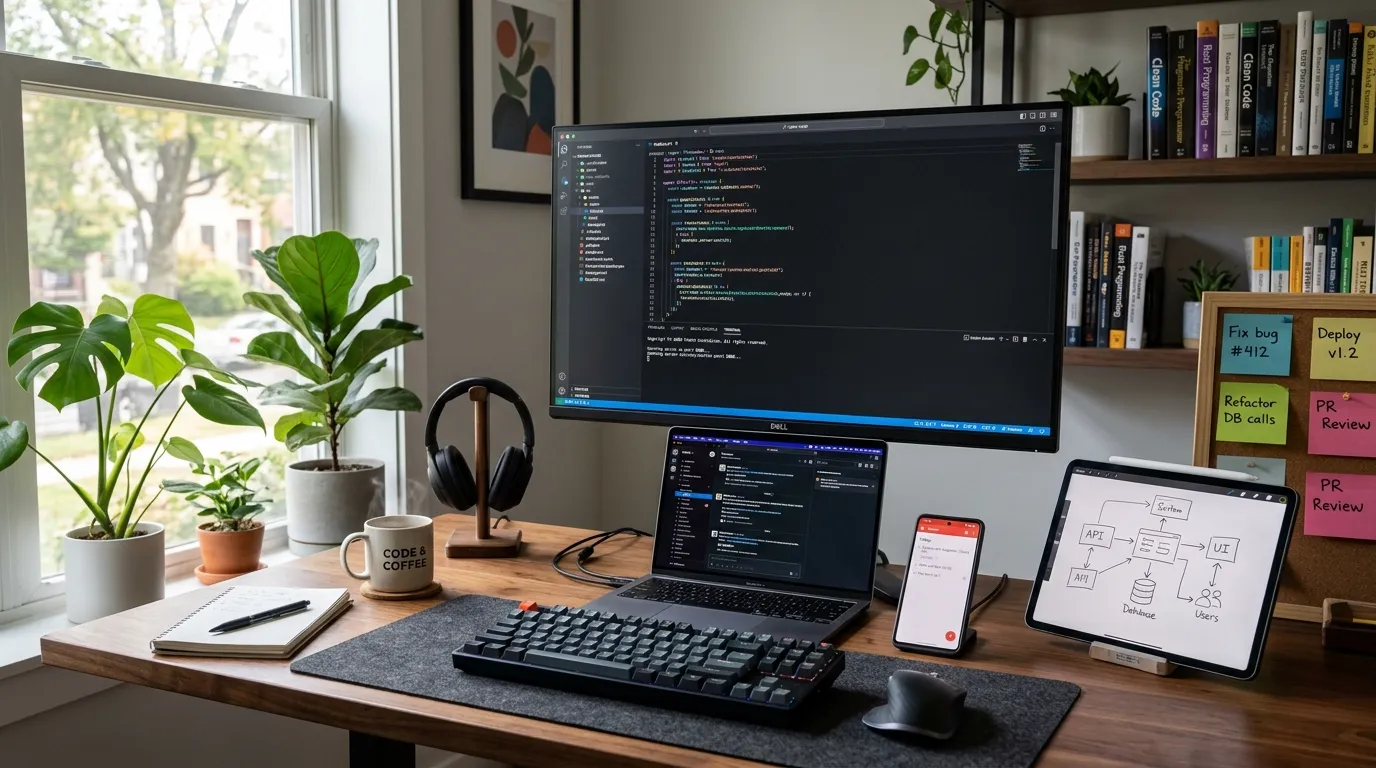
Modern classrooms require intelligent systems to thrive. By utilizing developer productivity tools, educators can easily build calm, deeply focused learning environments that maximize student potential and academic success.
This guide explores how adapting developer productivity tools transforms educational spaces. You will discover methods to reduce cognitive load, minimize distractions, and foster deep focus. We cover actionable strategies, common mistakes, expert tips, and detailed comparisons to help you implement these frameworks successfully.
The Intersection of Coding Frameworks and Classroom Calm

Educators constantly search for better ways to manage student attention. Students face endless digital distractions, which cause immense mental fatigue and disrupt learning. Traditional classroom management software often feels restrictive and punitive. However, looking at the tech industry provides a fascinating solution. Software engineers face similar challenges with context switching and complex problem-solving. To survive, they rely heavily on developer productivity tools. These systems prioritize deep work, minimize interruptions, and streamline complex tasks. When educators adapt developer productivity tools for the classroom, they fundamentally change how students interact with their assignments. This approach shifts the focus from simple restriction to active workflow optimization. Students learn to manage their time, organize their thoughts, and tackle complex projects with the same efficiency as professional programmers. By integrating developer productivity tools, schools help students build resilient mental habits.
Implementing developer productivity tools in education requires a shift in perspective. Instead of treating students as passive recipients of information, these platforms treat them as active creators. Developer productivity tools provide structured environments where students can enter a state of flow. They learn to break massive projects into manageable tasks. Educators who adopt developer productivity tools notice immediate improvements in classroom atmosphere. The anxiety associated with overwhelming assignments disappears. Students feel empowered by the structure that developer productivity tools provide. This structured freedom naturally cultivates a profound sense of calm.
Why the Tech Industry Leads in Focus Management
The tech sector invests billions of dollars into optimizing human performance. Software engineers must solve complex logical puzzles daily, requiring uninterrupted concentration. Consequently, the industry created developer productivity tools to protect this vital focus. These platforms eliminate unnecessary notifications, automate repetitive actions, and visually organize workloads. Education systems share this precise need for protected cognitive space. When we bring developer productivity tools into schools, we borrow decades of behavioral science research. These tools are not just about writing code; they are about managing human attention. By leveraging developer productivity tools, teachers can protect their students from the chaotic digital noise that typically derails academic progress.
The seamless integration of EdTech solutions benefits significantly from this cross-industry adaptation. When developers design systems for themselves, they prioritize speed and clarity. Students need this exact clarity to navigate their daily learning objectives. Developer productivity tools deliver this clarity consistently.
Defining Developer Productivity Tools in an Educational Context
To understand how these platforms help students, we must clearly define them. Developer productivity tools encompass a wide range of software applications designed to make technical work more efficient. In a classroom, developer productivity tools include task managers, distraction-free text editors, automated testing environments, and version control systems. While a student might not write complex algorithms, they can use version control to track changes in a group essay. They can use a Kanban board to manage a semester-long research project. The core philosophy of developer productivity tools remains the same: reduce friction and enhance output.
Schools that successfully implement developer productivity tools recognize that learning is a complex project. Every syllabus is a roadmap. Every assignment is a deliverable. Developer productivity tools give students the framework to manage these deliverables efficiently. They learn to prioritize tasks, track their own progress, and collaborate seamlessly with peers.
Kanban Boards and Visual Task Management
One of the most popular developer productivity tools is the visual task board, often called a Kanban board. Engineers use these boards to move tasks from “To Do” to “In Progress” to “Done.” This visual representation of work provides immediate clarity. Students benefit immensely from this specific type of developer productivity tools. A student managing five different classes often feels overwhelmed. Visualizing their homework on a digital board reduces this anxiety. They can see exactly what they need to accomplish today. This specific application of developer productivity tools transforms abstract academic pressure into manageable, actionable steps.
Distraction-Free Environments and IDEs
Integrated Development Environments (IDEs) are quintessential developer productivity tools. They provide a unified workspace for writing, testing, and debugging code. Modern IDEs feature “Zen Mode” or distraction-free settings. When applied to education, these specific developer productivity tools help students focus entirely on writing an essay or solving a math problem. The interface hides all menus, notifications, and browser tabs. The student sees only their work. This feature of developer productivity tools is critical for building sustained attention spans. You can learn more about cognitive focus strategies from reputable sources like the American Psychological Association.
Top Benefits of Developer Productivity Tools for Students

Integrating developer productivity tools into the daily academic routine yields transformative benefits. These platforms address the root causes of student anxiety and distraction. Let us explore the primary advantages of utilizing developer productivity tools in educational settings.
1. Massive Reduction in Cognitive Load
Cognitive load refers to the amount of working memory a person uses. When a student tries to remember deadlines, format a document, and research a topic simultaneously, their cognitive load maxes out. Developer productivity tools excel at offloading this mental burden. Task managers remember the deadlines. Formatting templates handle the document structure. By using developer productivity tools, students free up their working memory to focus strictly on learning the core material. This reduction in cognitive load is the most profound benefit of developer productivity tools.
2. Facilitation of the Flow State
Psychologists define “flow” as a state of complete immersion in an activity. It is the optimal state for learning and creating. Developer productivity tools actively facilitate this state. By blocking digital interruptions and streamlining workflows, developer productivity tools create the perfect conditions for flow. When students use developer productivity tools, they spend less time managing their tools and more time engaging with the subject matter. This uninterrupted engagement leads to deeper understanding and higher academic achievement.
3. Advanced Task Prioritization
Not all assignments carry the same weight. Students often struggle to prioritize their workload, spending hours on minor tasks while ignoring major projects. Developer productivity tools solve this problem through rigorous categorization. Students can use developer productivity tools to tag assignments by due date, difficulty, and point value. The software helps them identify which task requires immediate attention. This analytical approach, native to developer productivity tools, teaches students essential time management skills that will serve them throughout their lives.
4. Seamless Asynchronous Collaboration
Group projects traditionally cause immense frustration. Coordinating schedules and merging different versions of a document leads to chaos. Developer productivity tools eliminate this friction. Version control systems allow multiple students to work on a single project asynchronously without overwriting each other’s contributions. These collaborative developer productivity tools track exactly who made which change and when. This transparency ensures accountability and fosters a much more harmonious collaborative experience. By mirroring the workflows of remote engineering teams, these developer productivity tools prepare students for the modern professional world.
Comparison Table: Traditional Educational Software vs. Developer Productivity Tools
To fully grasp the paradigm shift, we must compare legacy systems with modern solutions. This table highlights why developer productivity tools offer a superior experience.
|
Feature |
Traditional Educational Software |
Developer Productivity Tools |
|---|---|---|
|
Primary Focus |
Grading, compliance, and basic content delivery |
Workflow optimization, deep focus, and task efficiency |
|
Task Management |
Rigid, static calendars and basic to-do lists |
Dynamic visual boards with customizable workflows |
|
Collaboration |
Basic document sharing with high overwrite risk |
Advanced version control with transparent contribution tracking |
|
Distraction Management |
Non-existent; often clunky interfaces cause distraction |
Zen modes, automated formatting, and streamlined UI |
|
Skill Transfer |
Skills rarely apply outside of the school ecosystem |
Teaches direct professional skills used in the modern workforce |
This comparison clearly demonstrates how developer productivity tools fundamentally upgrade the student experience. By treating students like professionals managing complex projects, developer productivity tools elevate the entire educational standard.
How Developer Productivity Tools Foster Deep Focus
Deep focus requires an environment free from unnecessary friction. Developer productivity tools meticulously eliminate friction from the creative process. When a student sits down to work, the technology should disappear, leaving only the task at hand.
Minimizing Devastating Context Switching
Context switching occurs when a person rapidly shifts their attention between different tasks or applications. Research shows that every context switch incurs a heavy cognitive penalty, destroying focus and wasting time. Developer productivity tools are specifically engineered to minimize this switching. By integrating various functions into a single dashboard, developer productivity tools keep the user in one environment. A student does not need to switch between a calendar app, a writing app, and a communication app. Unified developer productivity tools bring all these elements together. This consolidation is a hallmark of high-quality developer productivity tools and is essential for maintaining a calm, focused mind.
Automating Repetitive and Mundane Tasks
Boredom kills focus. When students must perform repetitive tasks, their minds wander. Developer productivity tools excel at automation. Students can use simple scripting or built-in automation features within developer productivity tools to handle mundane chores. For example, they can automate the creation of a bibliography or the formatting of a lab report. By removing the boring aspects of a project, developer productivity tools keep the student engaged with the challenging, intellectually stimulating parts of the assignment.
Adapting Agile Methodologies for Students
The tech industry uses Agile methodologies to manage complex software development cycles. This framework emphasizes iterative progress, flexibility, and continuous reflection. Educators can adapt these concepts using developer productivity tools to revolutionize how students approach their coursework.
Sprint Planning for Semesters
In Agile, a “sprint” is a short, focused period of work, usually lasting two weeks. Students can use developer productivity tools to break their semester into academic sprints. Instead of feeling overwhelmed by a massive syllabus, they focus only on the objectives for the current two-week sprint. Using developer productivity tools, they map out their reading assignments, quizzes, and project milestones for that specific timeframe. This application of developer productivity tools makes long-term goals feel attainable and significantly reduces academic anxiety.
Daily Stand-ups and Progress Tracking
Engineering teams hold daily “stand-up” meetings to discuss progress and roadblocks. While students might not hold literal meetings, they can use developer productivity tools to perform a daily self-check-in. They log into their developer productivity tools, review their visual board, and ask themselves what they accomplished yesterday and what they need to tackle today. This daily habit of reflection, powered by developer productivity tools, builds incredible self-awareness and personal accountability. It directly supports broader student mental health initiatives by promoting a proactive, organized mindset rather than a reactive, stressed one.
Integrating Developer Productivity Tools into EdTech Ecosystems
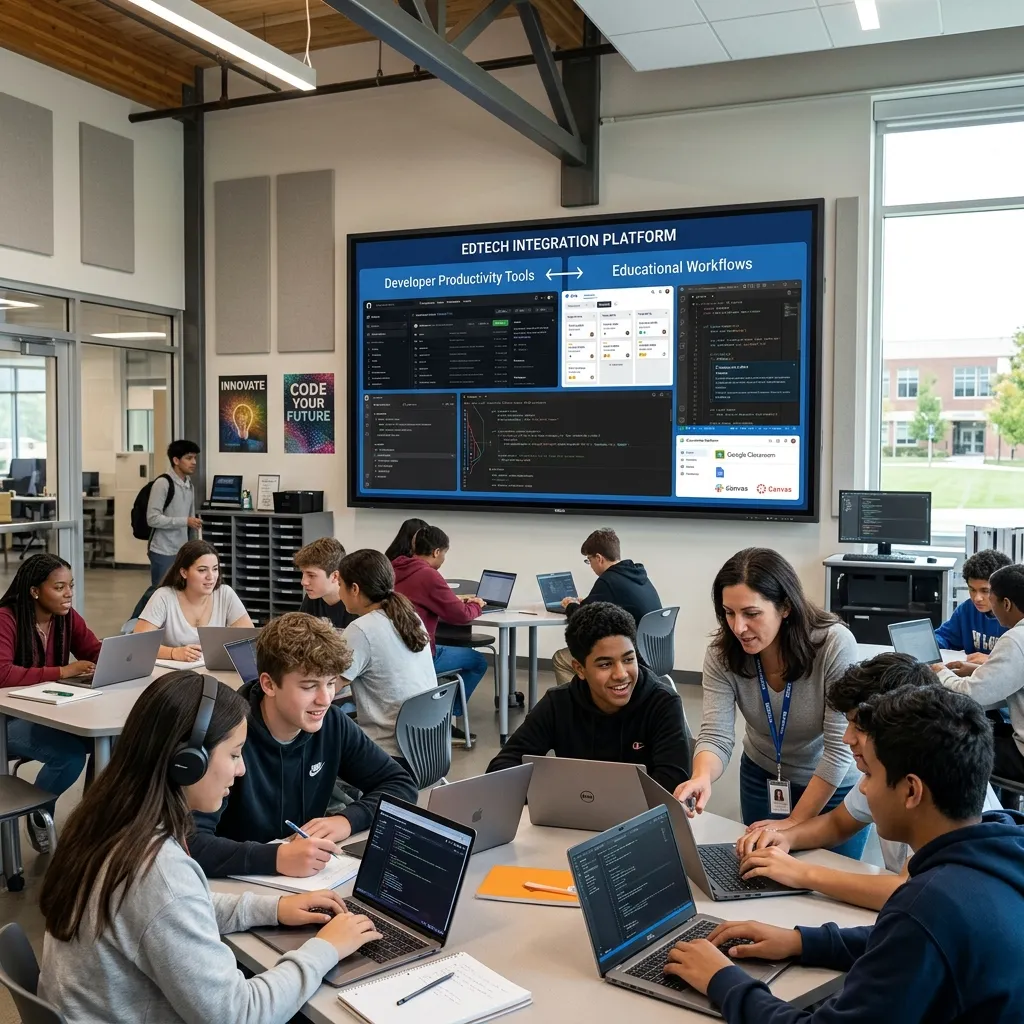
Implementing these platforms requires strategic planning. Schools cannot simply dump new software onto students and expect miracles. Successful integration of developer productivity tools requires thoughtful scaffolding and clear instruction.
Creating a Seamless Toolchain
A toolchain is a set of distinct software tools linked together to complete a complex task. Schools must carefully select developer productivity tools that integrate smoothly with their existing Learning Management Systems (LMS). The developer productivity tools should pull assignment data directly from the LMS, populating the student’s task board automatically. This seamless integration ensures that students spend their time doing the work, not managing the tools. Administrators must rigorously test developer productivity tools to guarantee this interoperability.
Focusing on Accessibility and Inclusive Design
When selecting developer productivity tools, schools must prioritize accessibility. The tools must work for all students, including those with learning disabilities or visual impairments. Fortunately, top-tier developer productivity tools often feature robust accessibility options, including screen reader support, high-contrast modes, and customizable text rendering. By ensuring that developer productivity tools are accessible to everyone, schools create a truly inclusive environment where every student can achieve deep focus and academic calm.
Common Mistakes to Avoid
Introducing developer productivity tools into a classroom can fail if executed poorly. Avoid these frequent errors to ensure a smooth, successful rollout.
- Overcomplicating the Workflow: Do not force students to use every feature immediately. Introduce developer productivity tools gradually. Start with basic task boards before moving to complex version control.
- Failing to Explain the “Why”: Students will resist new software if they do not understand its purpose. Clearly explain how developer productivity tools will save them time, reduce their stress, and help them get better grades.
- Ignoring Platform Fatigue: If a school already uses ten different apps, adding complex developer productivity tools might cause a rebellion. Audit existing software and replace redundant apps with comprehensive developer productivity tools to simplify the digital landscape.
- Neglecting Teacher Training: Educators must master developer productivity tools before they can teach students how to use them. Invest heavily in professional development so teachers feel confident guiding their classrooms through these new workflows.
Pro Tips for Educators and Administrators
Maximize the impact of your technological investments with these expert strategies for implementing developer productivity tools.
- Model the Behavior: Teachers should use developer productivity tools to manage their own lesson planning and grading. When students see educators utilizing the visual boards and focus modes, they are much more likely to adopt the practices themselves.
- Gamify the Experience: Use the tracking features within developer productivity tools to celebrate small wins. When a student moves a difficult project to the “Done” column on their Kanban board, acknowledge that achievement.
- Encourage Customization: The best developer productivity tools allow for extensive personalization. Let students customize their tags, color schemes, and workflow stages. Ownership over the tool increases user engagement.
- Integrate with Digital Citizenship Lessons: Use the collaborative features of developer productivity tools to teach digital citizenship. Discuss how to leave constructive feedback on peer code or shared documents, mirroring professional etiquette.
Measuring the Impact of Developer Productivity Tools
To justify the continued use of these platforms, schools must accurately measure their impact on student performance and wellbeing.
Quantitative Metrics
Schools can track quantitative data directly through the developer productivity tools. Administrators can look at task completion rates, the average time spent in focus modes, and the frequency of collaborative interactions. If assignment completion rates rise after implementing developer productivity tools, you have clear evidence of success. Additionally, schools can correlate the usage of developer productivity tools with standardized test scores and overall GPA improvements.
Qualitative Feedback
Numbers only tell half the story. Educators must actively solicit qualitative feedback regarding the developer productivity tools. Conduct surveys asking students if they feel less overwhelmed, more organized, and calmer since adopting the software. Host focus groups to discover which specific features of the developer productivity tools are most beneficial. This human feedback is essential for refining how you deploy developer productivity tools in the future.
The Future of Educational Workflows
The boundary between academic work and professional work continues to blur. As we look ahead, the use of developer productivity tools in education will only expand. We will see tighter integrations, smarter automations, and more sophisticated focus management systems.
Artificial Intelligence and Personalization
Future developer productivity tools will heavily leverage artificial intelligence to personalize the learning experience. The AI will analyze a student’s working habits within the developer productivity tools and suggest optimal times for deep focus based on their unique circadian rhythms. The developer productivity tools might automatically break down a massive essay prompt into daily, bite-sized tasks tailored to the student’s historical work speed. This level of personalization will make developer productivity tools indispensable for creating calm, highly customized educational journeys.
Collaborative Asynchronous Environments
As the world embraces remote and hybrid work models, students must master asynchronous collaboration. Developer productivity tools are the perfect training ground for this reality. Future developer productivity tools will feature even more robust environments for students to co-create complex projects across different time zones and schedules. By mastering these developer productivity tools today, students are fundamentally preparing themselves for the global, distributed workforce of tomorrow. They learn that they do not need to be in the same room to build incredible things together; they just need the right developer productivity tools.
Conclusion
Creating a calm, structured learning environment is essential for student success in the digital age. By intelligently adapting developer productivity tools, educators can dramatically reduce cognitive load, minimize distractions, and foster profound deep focus. Embrace these powerful frameworks to transform your educational spaces into hubs of serene productivity. Take action today and explore how developer productivity tools can elevate your school’s workflow.
Frequently Asked Questions (FAQs)
1. What exactly are developer productivity tools in a classroom setting?
In education, developer productivity tools refer to software platforms originally designed for software engineers—such as Kanban boards, version control systems, and distraction-free editors—adapted to help students organize tasks, collaborate efficiently, and maintain deep focus on academic assignments.
2. How do developer productivity tools reduce student anxiety?
These platforms reduce anxiety by visually breaking down massive, overwhelming projects into small, actionable steps. By using developer productivity tools to manage their workload, students eliminate the fear of forgotten deadlines and unmanageable expectations, leading to a calmer mindset.
3. Are developer productivity tools too complex for middle or high school students?
No, they are not too complex if introduced properly. While enterprise-level features might be excessive, the core concepts of developer productivity tools—like moving a task card from “To Do” to “Done”—are highly intuitive and easily grasped by secondary school students.
4. Can developer productivity tools improve collaborative group projects?
Absolutely. Developer productivity tools utilize transparent version control and task assignment features, ensuring every student knows exactly what they are responsible for. This eliminates the confusion and unfair workload distribution that typically plagues traditional group academic projects.
5. How do developer productivity tools differ from standard school planner apps?
Standard planner apps function mostly as static digital calendars. Developer productivity tools, however, are dynamic workflow engines. They offer deep automation, contextual collaboration, distraction-free modes, and agile project management methodologies that go far beyond simple date tracking.
6. Do developer productivity tools work well for non-STEM subjects?
Yes, they are highly effective across all disciplines. A student writing a massive historical research paper can use developer productivity tools to track their sources, outline their chapters, and manage their writing sprints just as effectively as a student writing Python code.
7. How do these tools help students achieve a “flow state”?
Developer productivity tools help students achieve flow by aggressively minimizing external digital interruptions and eliminating interface friction. When the tools block notifications and provide a clean, unified workspace, the student’s brain can fully immerse itself in the creative or analytical process.
8. What is the biggest mistake teachers make when implementing developer productivity tools?
The biggest mistake is forcing students to adopt a highly complex toolchain overnight without explaining the fundamental purpose. Teachers must gradually introduce developer productivity tools and clearly demonstrate how the software actively solves the students’ daily frustrations with organization and focus.
9. Can administrators track student progress using developer productivity tools?
Yes, most developer productivity tools offer comprehensive analytics dashboards. Administrators and teachers can view macro-level data on task completion rates, workflow bottlenecks, and engagement metrics to accurately gauge the overall health and productivity of the student body.
10. How do developer productivity tools prepare students for the modern workforce?
By using developer productivity tools in school, students learn the exact software, agile methodologies, and asynchronous communication skills utilized by top-tier global technology companies. This provides them with a massive competitive advantage and a seamless transition into professional modern work environments.